How 'Slow Sundays' Encourage Imaginative Play
patty Beekwilder
My daughters don't always play independently easily either. For a long time, I thought I could solve this by playing with them more. But honestly? Quite the opposite.
Independent play became even harder for them. I simply didn't give them any space to get started on their own. Because if I keep starting the game, how will they learn to play independently?
Slow Sundays - every man for himself
That's why our Sundays are increasingly becoming "slow Sundays." No appointments, no outings, no rush. Just being home. A little bit of messing around. Together, but also each for themselves. Last Sunday we cleaned out the under-stairs cupboard, did some gardening, and cleaned the house. And the kids? They got to choose:
Or they help out
Or they play independently
Sometimes they start playing right away. Sometimes they help out for a bit and then dive into the play corner. And sometimes... they just hang around for an hour, whine, and get bored.
And right there, in that boredom, lies the magic of slow Sundays.
After boredom comes imaginative play
After boredom, something special almost always happens. They build a restaurant for our cats. They devise a dance performance. They go looking for bees in the garden. Or they brew a witch's soup with whatever they can find.
Without any control. No screen. Just a game I made up myself.

Independent play starts with space
Children need space to explore. And that doesn't happen when the weekend is packed, when you're constantly on the go, or when something is expected of them at all times. A quiet weekend with children doesn't mean you can't do anything, but it does mean there's some breathing room. Peace, space, and a little boredom...
Just look at yourself. When do you get your best ideas? During a busy workday with an endless to-do list? Or perhaps in the shower, during a walk, or a long car ride? Exactly. Children have that too. Sometimes creativity just needs some space.
Toys for imaginative play
Besides time and rest, the type of toys also plays a major role. Many toys focus on a single purpose. Think of a puzzle or a shape sorter. They're fun to do for a while, but after that, the game is over. They don't encourage further thought or imagination.
Open-ended toys do just that. They don't have a standard outcome. There's no right or wrong. Children decide for themselves what they'll be and what they'll be used for. And that's precisely what stimulates imagination and independent play.

What exactly is open-ended toys?
Open-ended toys have no predetermined purpose or fixed function. There are no instructions, no lights or sounds, and there's really no right or wrong.
It invites children to come up with their own ideas. They decide what it is, and that can change with every game.
A wooden block isn't just a block. It can be a house, a bridge, a pancake, or a bed.
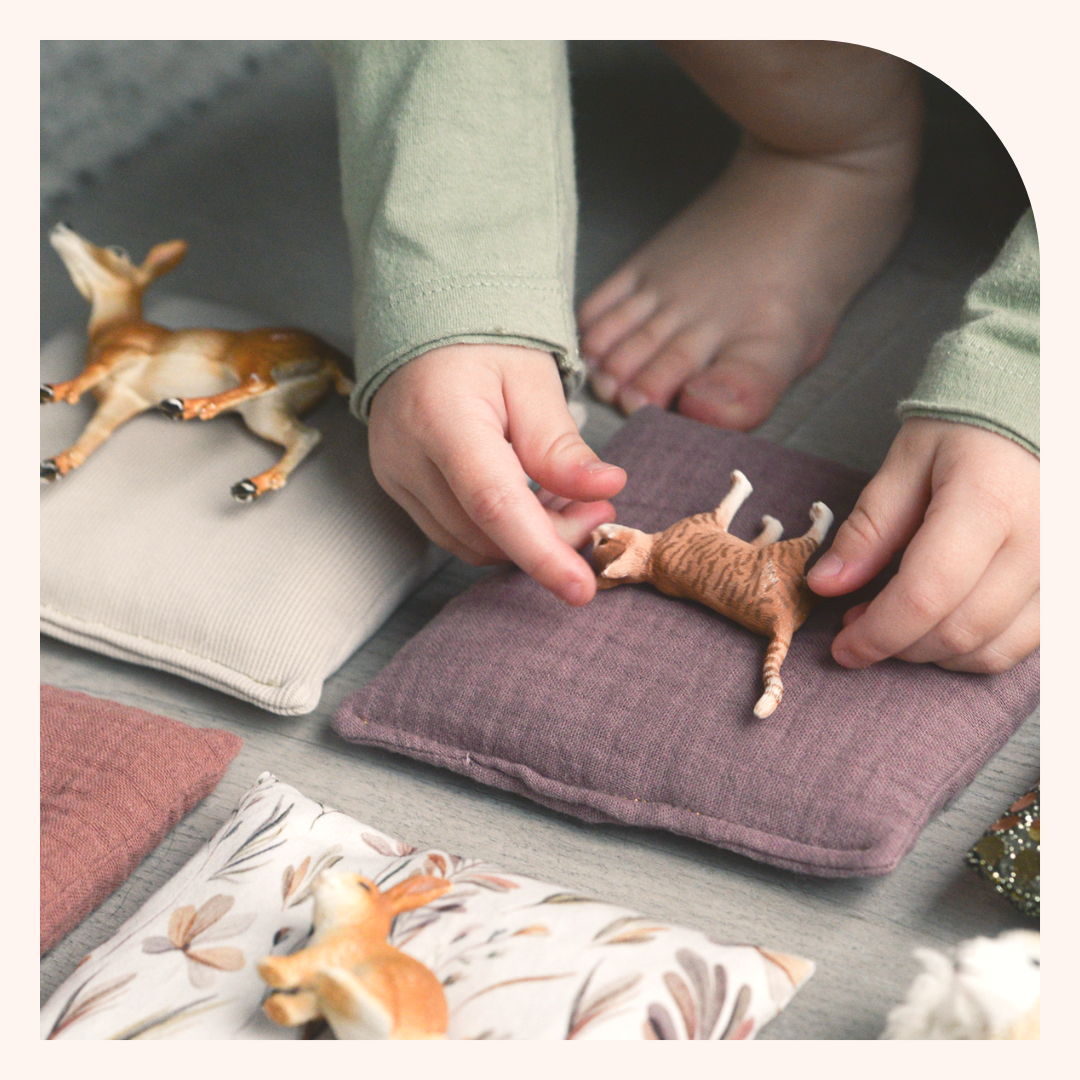
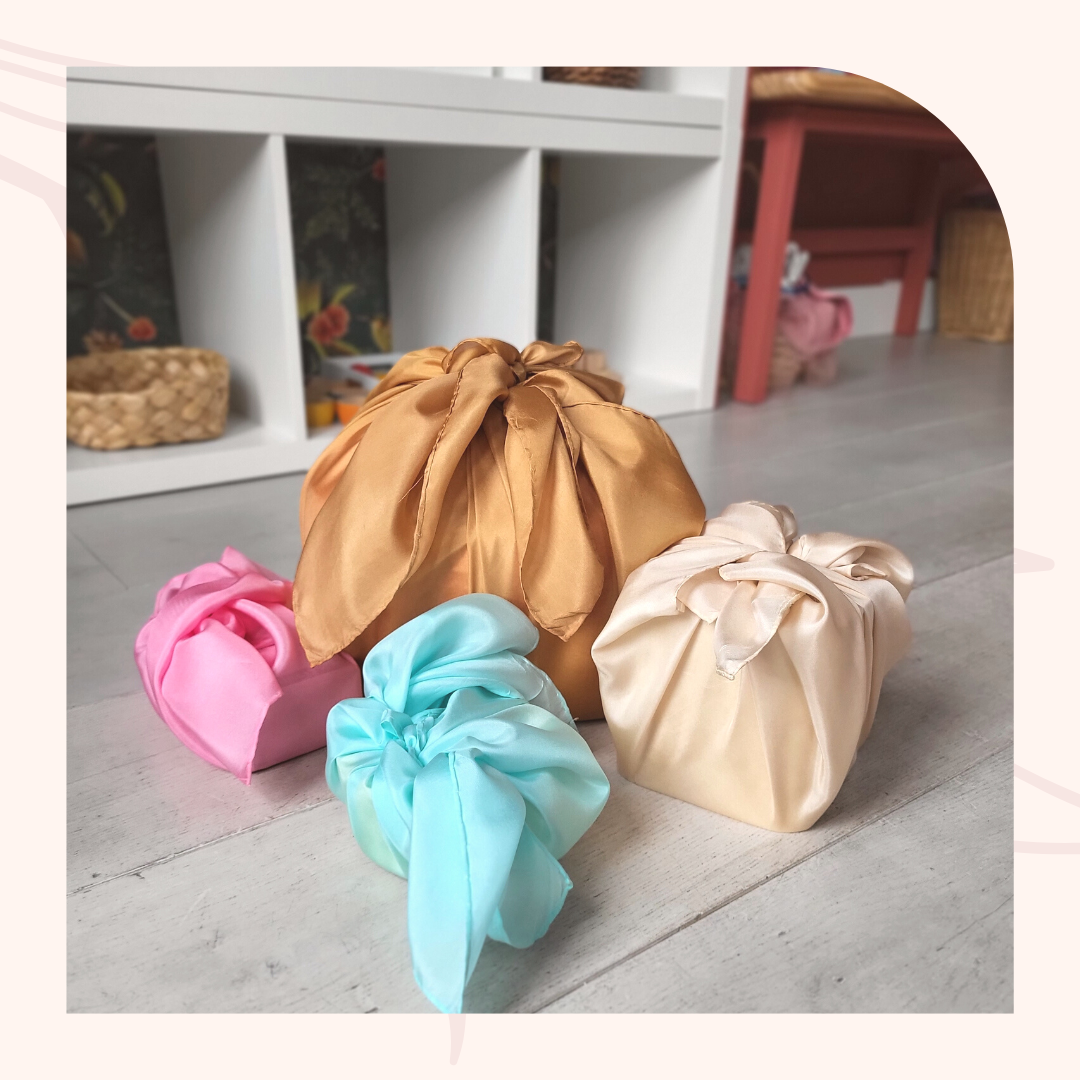
Sensory bean bags and Playcycle play cloths have been favorites for years because they can become anything a child imagines:
- Beanbags turn into cakes, treasures, a bed or stepping stones.
- Play cloths become capes, a hut, picnic blanket or blanket.
Open-ended toys easily combine with other toys already available. Plus, they're not age-specific. Every child plays with them in their own way and at their own pace.
Want to get started with open-ended toys, but not sure what's right for you? In my webshop, you'll find rainbow beanbags and play cloth sets , popular with so many families.

Want to encourage independent play? Start small.
Want to encourage your child to play more independently? You don't have to organize a whole "slow week" or completely overhaul the play area. Just take a critical look at your weekend plans and the toys you offer.
- Can you spare half a day this coming weekend?
- Can you do a chore that the children can help with if necessary?
- Are there any toys that your child can only play with one way? Put them away.
- Provide more open-ended toys that encourage independent play.
- And if your child is bored? Then you're already doing a great job!
What if your child keeps saying he or she is bored?
Tip if you find it difficult to get through that boredom: set a timer for 15 minutes and give yourself and your child that time to not interfere. Indicate this and explain it:
"Mom's going to do some XXX. You can help or you can play by yourself, but as long as the alarm is running, those are the two options."
Allow room for boredom without trying to solve it immediately. You'll often see play start afterward. Imaginative play emerges precisely after boredom.
I hope this blog post provides you with valuable insights and tools. Are you looking for open-ended toys that encourage imaginative play? Check out the beanbags and play cloths in my webshop. Made from sustainable materials and lovingly crafted for years of play.